
Tennis Elbow Treatment with Osteopathy
People often get confused when they hear “tennis elbow,” thinking it only affects tennis players. But that’s not the case.... read more
People often get confused when they hear “tennis elbow,” thinking it only affects tennis players. But that’s not the case.... read more
Fascial Manipulation is an advanced manual therapy technique that targets the fascia—a connective tissue network that surrounds and supports muscles,... read more
5 easy stretching exercises for joints that will help improve flexibility, increase range of motion, and enhance blood flow to... read more
Muscle Energy Technique (MET) is a gentle, manual therapy that uses controlled muscle contractions to improve joint mobility, reduce tightness,... read more
You have no idea what this plank exercise can do for your body! Just a few minutes a day, and... read more
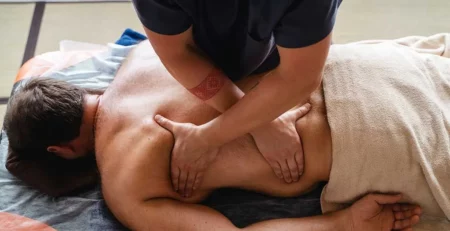
Soft Tissue Manipulation involves using hands-on techniques to relieve muscle tension, improve circulation, and enhance mobility. Therapists apply pressure, stretching,... read more
A concussion is a temporary disruption of brain function due to a direct impact, whiplash, or sudden jolt. It commonly... read more
Soft tissue massage helps with injury recovery, muscle stiffness, and stress relief by using deep pressure, stretching, and myofascial release... read more
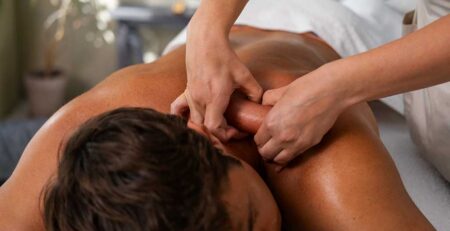
Deep tissue massage is more than just a massage. It’s a specialized therapy that works wonders for chronic pain, tension,... read more
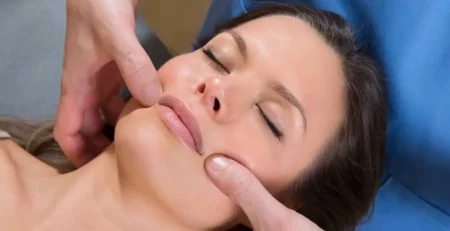
TMJ Disorder Osteopathy offers a natural, hands-on solution for managing TMJ pain and dysfunction. read more
A holistic approach in osteopathy focuses on the entire human body, not just isolated symptoms. Instead of treating pain alone, practitioners aim to understand the root cause of chronic pain, restricted movement, and physical stress. As a result, treatment can promote overall balance, improve mobility, and support better overall health.
Moreover, osteopathy supports the body’s natural ability to heal, which is essential for recovery and prevention. In many cases, a whole-body assessment reveals patterns that affect posture, movement, and daily comfort. Therefore, a holistic osteopathic approach can be valuable for people looking for natural pain relief, better function, and long-term wellness.
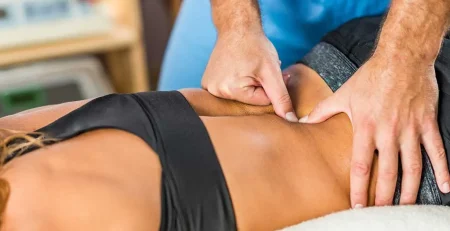
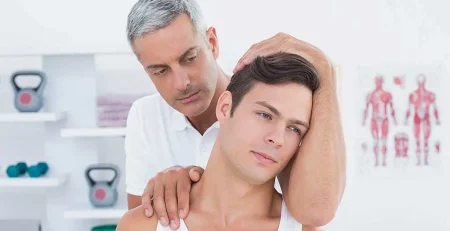
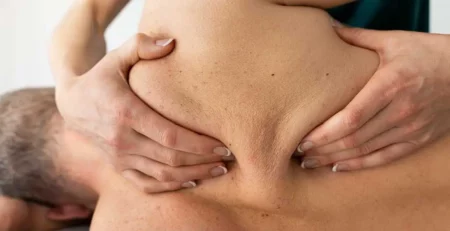
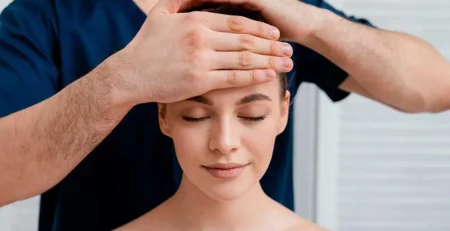
Osteopathy is a manual practice that uses a range of osteopathic techniques to restore function and reduce tension. These techniques may include joint mobilization, soft tissue release, stretching, and hands-on treatment designed to improve alignment and circulation. Consequently, osteopathy is often used for pain management, postural strain, and mobility issues.
In addition, practitioners who study through institutions such as the academy of osteopathy develop a detailed understanding of anatomy, biomechanics, and clinical assessment. Because of this, treatment can be adapted to each patient’s needs. This approach is especially helpful for long-tail searches such as osteopathy for chronic pain relief, holistic pain management treatment, and manual therapy for overall health.
Every person responds differently to care. Therefore, personal treatment plans are an important part of osteopathic treatment. These plans are based on symptoms, movement patterns, medical history, and individual health goals. As a result, treatment is more focused, practical, and effective.
Furthermore, osteopathy is designed to support long term improvement, not just short-term symptom relief. By addressing the underlying cause of dysfunction, practitioners help patients build healthier movement patterns and reduce recurring pain. This makes osteopathy a strong option for people searching for long term pain management, holistic treatment for chronic pain, and personal treatment plans for better health.
Ultimately, osteopathy is more than a treatment for discomfort. It is a patient-centered system of care that aims to promote overall wellness through a structured and natural approach. Whether you are managing chronic pain, recovering from physical strain, or improving mobility, osteopathy helps support both immediate relief and long-lasting results.
For that reason, many people choose osteopathy as part of a broader wellness strategy. With the right manual practice, effective pain management, and realistic personal treatment plans, patients can move closer to better function, stronger resilience, and improved overall health.