
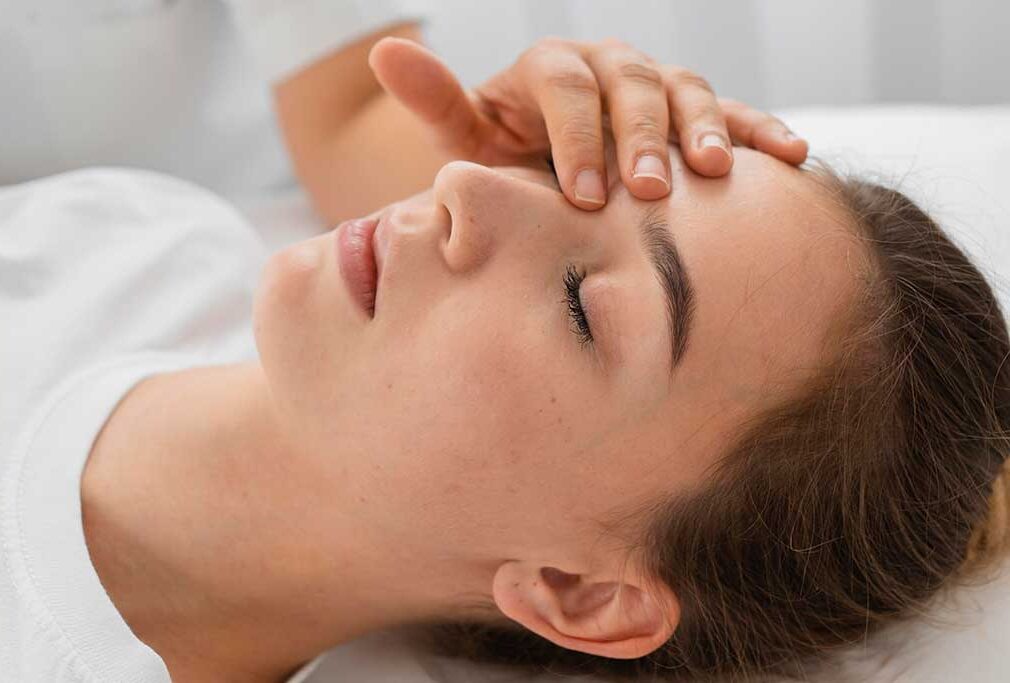
Sinusitis can significantly impact daily life, but effective solutions are available. Osteopathy offers a natural, holistic approach that not only relieves symptoms but also addresses underlying causes. In Toronto, many patients are turning to osteopathic treatment for sinus congestion as a safe and long-lasting alternative.
What Is Sinusitis?
Sinusitis, also known as rhinosinusitis and commonly known as a sinus infection, refers to inflammation of the sinus cavities, which are air-filled spaces around your nose and eyes. When these cavities become blocked, mucus builds up, leading to pressure, pain, and difficulty breathing. This condition can be short-term or long-lasting, depending on its cause.
Common Causes of Sinus Congestion
Several factors contribute to sinusitis. These include viral infections, allergies, nasal polyps, and even structural issues like a deviated septum. Additionally, environmental triggers such as pollution in urban areas like Toronto can worsen symptoms.
Acute vs Chronic Sinusitis
Acute sinusitis typically lasts less than four weeks, while chronic sinusitis persists for over 12 weeks. Chronic cases often require more comprehensive care, which is where osteopathic treatment for sinus congestion becomes highly effective.
Why Sinusitis Requires Holistic Care
Limitations of Conventional Treatments
Traditional treatments such as decongestants, antibiotics, and nasal sprays may provide temporary relief. However, they often fail to address underlying causes. Over time, reliance on medication can lead to recurring symptoms.
Importance of Addressing Sinusitis Root Causes
Osteopathy focuses on identifying and treating the root cause of sinusitis. Instead of masking symptoms, it improves structural alignment, enhances circulation, and promotes natural drainage. Therefore, it offers a more sustainable solution.
Osteopathy for Sinusitis in Toronto: A Natural Approach
How Osteopaths Diagnose Sinus Issues
In Toronto clinics, osteopaths conduct detailed assessments. They evaluate posture, cranial movement, and facial tension. This thorough approach ensures accurate diagnosis and targeted treatment.
Personalized Treatment Plans
Each patient receives a customized plan based on their symptoms and medical history. Consequently, treatment is both precise and effective, addressing individual needs rather than applying a one-size-fits-all method.

Osteopathic Treatment for Sinus Congestion
1. Cranial Osteopathy Techniques
Cranial osteopathy involves gentle manipulation of the skull bones. This technique improves the movement of cranial structures and enhances sinus drainage. As a result, pressure and pain decrease significantly.
2. Lymphatic Drainage Therapy
Lymphatic Drainage method stimulates the lymphatic system, helping remove excess fluid and toxins. Improved lymph flow reduces swelling and supports faster recovery from sinus infections.
3. Myofascial Release for Facial Tension
Tension in facial muscles can restrict sinus drainage. Myofascial release for facial tension loosens these tissues, promoting better circulation and relieving discomfort.
4. Thoracic Mobility Techniques
These techniques focus on improving movement in the upper back (thoracic spine). When this area is stiff, it can restrict breathing and lymphatic flow. By restoring mobility, osteopaths help enhance chest expansion, which supports better sinus drainage and reduces congestion.
5. Cervical Spine Mobilization
This approach targets the neck (cervical spine), where tension and misalignment can affect nerve signals and blood flow to the head and sinuses. Gentle mobilization helps reduce neck stiffness, improve circulation, and relieve pressure contributing to sinus symptoms.
6. Rib Cage Release Techniques
The rib cage plays a key role in breathing mechanics. If ribs are restricted, it can limit proper airflow and fluid movement. Osteopathic rib release techniques improve respiratory function, allowing more efficient oxygen intake and supporting natural sinus clearing.
7. Nasal Bone and Facial Balancing
This technique involves subtle adjustments to the bones of the face and nasal structures. It helps reduce structural restrictions that may block sinus pathways. As a result, it promotes better airflow, improves drainage, and eases facial pressure.
Key Benefits of Osteopathy for Sinusitis
Sinusitis Drug-Free Relief
One of the biggest advantages is that osteopathy does not rely on medication. This makes it ideal for individuals seeking natural, non-invasive solutions.
Improved Breathing and Drainage
By enhancing airflow and reducing blockages, patients experience easier breathing. Additionally, sinus pressure decreases, improving overall comfort.
Reduced Recurrence of Sinus Infections
Because osteopathy addresses underlying issues, it lowers the likelihood of recurring infections. Over time, patients notice long-term improvements.
What to Expect During an Osteopathy Session
Sinusitis Initial Consultation
Your first visit includes a detailed assessment, health history and physical examination. The osteopath identifies contributing factors such as posture or previous injuries.
Hands-On Treatment Techniques
Treatment involves gentle, hands-on techniques targeting the head, neck, and upper body. These methods are painless and suitable for all ages.
Aftercare and Recovery
Patients may receive advice on posture, hydration, and breathing exercises. Following these recommendations enhances treatment results and prevents relapse.
Who Can Benefit from Osteopathic Sinus Treatment
Adults with Chronic Sinusitis
Adults experiencing persistent symptoms often benefit greatly. Osteopathy provides lasting relief where other treatments fail.
Children with Recurrent Congestion
Children suffering from frequent colds or allergies can also benefit. Gentle techniques make osteopathy safe and effective for younger patients.
Post-Concussion Sinus Issues
Interestingly, sinus congestion can occur after head injuries. Osteopathy supports both sinus drainage and neurological recovery, making it highly valuable for concussion injury patients.
Osteopathy and Concussion Recovery Connection
How Sinus Congestion Relates to Head Injuries
After a concussion, inflammation and fluid buildup can affect sinus function. This often leads to headaches, pressure, and congestion.
Supporting Brain and Sinus Healing
Osteopathy improves circulation and reduces tension in cranial structures. Therefore, it aids both brain recovery and sinus relief simultaneously.
Choosing the Right Osteopath in Toronto
Sciatica usually results from mechanical pressure or inflammation affecting the nerve roots in the lumbar spine. However, the underlying reason varies from person to person.
1. Credentials and Experience
Look for licensed professionals with experience in treating sinusitis. Proper training ensures safe and effective care.
2. Clinic Reputation and Reviews
Patient reviews and testimonials provide valuable insight. Choose clinics known for personalized care and successful outcomes.
Preventing Sinusitis Naturally
Lifestyle and Environmental Tips
Maintaining good hydration, using air purifiers, and avoiding allergens can help prevent sinus issues. Additionally, practicing proper posture supports better breathing.
Importance of Regular Osteopathic Care
Regular sessions help maintain balance within the body. As a result, they reduce the likelihood of recurring sinus problems.
Book a Sinusitis Assessment at Body & Mind Osteopathic Clinic
If you are searching for “sinusitis treatment Toronto” or “osteopath for sinus congestion near me,” our experienced team is here to help.
Sinusitis can greatly impact your daily comfort, making breathing difficult and causing pressure, headaches, and fatigue. However, with the right care, relief is possible. Early, targeted osteopathic treatment for sinus congestion can help improve drainage, reduce inflammation, and prevent recurring symptoms.
Contact Body & Mind Osteopathic Clinic today to schedule a comprehensive sinusitis assessment and start your personalized treatment plan for lasting relief.

Written By: Vadzim Siniauski
Vadzim Siniauski is Certified Osteopathic manual practitioner DOMP, MCIO, and Registered Massage Therapist (RMT), MD (Belarus). Vadzim has an extensive experience in musculoskeletal health, pain management, and manual therapy techniques.
Our Editorial Process
At Body & Mind Osteopathic Clinic, we publish practical, experience-based content to help educate readers on osteopathy, rehabilitation, and wellness.
Writing: All our content is developed by experienced osteopathic practitioners and RMTs. It draws on reputable scientific literature, clinical research, and our real-world experience working with conditions such as back pain, joint stiffness, postural imbalances, and injury recovery.
Editing: Each article is reviewed internally by a senior practitioner to ensure accuracy, clarity, and alignment with our treatment protocols and patient education standards.
Verified by Practitioners: Before publication, content is verified by a licensed member of our clinical team to confirm that the medical information provided aligns with current best practices in manual therapy and osteopathic care.
Frequently Asked Questions
Is osteopathy effective for chronic sinusitis?
Osteopathy treats chronic sinusitis by improving sinus drainage, reducing inflammation, and restoring normal fluid flow. Manual techniques target facial structures and lymphatic pathways to relieve congestion. Most patients report reduced pressure, improved breathing, and fewer flare-ups within 3–6 sessions depending on severity.
How many sessions are needed?
Osteopathy for sinusitis typically requires 3–5 sessions to achieve measurable improvement. Mild cases resolve within 2–3 sessions, while chronic or severe sinusitis may require 6–8 sessions. Frequency is usually 1 session per week to maintain drainage and reduce inflammation effectively.
Is osteopathic treatment painful?
Osteopathic treatment for sinusitis uses gentle, hands-on techniques that do not cause pain. Practitioners apply light pressure to facial bones, neck, and lymphatic areas to improve drainage. Most patients experience relief and reduced pressure during or immediately after treatment.
Does osteopathy replace medication?
Osteopathy does not replace medication but reduces reliance by improving sinus function and drainage. It addresses underlying causes such as poor lymphatic flow and structural restriction. Patients often use fewer medications after 3–6 sessions, but medical guidance remains essential.
Is osteopathy covered by insurance in Toronto?
Osteopathy is covered by many extended health insurance plans in Toronto. Coverage typically ranges from $300 to $800 per year depending on the provider. Patients should confirm practitioner credentials and policy details directly with their insurance company before booking.