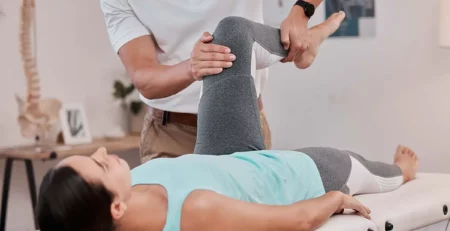
If you are experiencing sharp, shooting pain that travels from your lower back down your leg, you may be dealing with sciatica. This condition is common among adults in Toronto, especially those who sit for long hours, drive frequently, or perform repetitive physical work. Although sciatica can feel alarming, the good news is that most cases respond well to conservative, hands-on treatment such as osteopathy.
At Body & Mind Osteopathic Clinic in Toronto, we regularly assess and treat patients with sciatic nerve pain using evidence-informed osteopathic techniques. In this guide, we explain what sciatica is, why it happens, and how osteopathic care can support safe, long-term recovery.
What Is Sciatica?
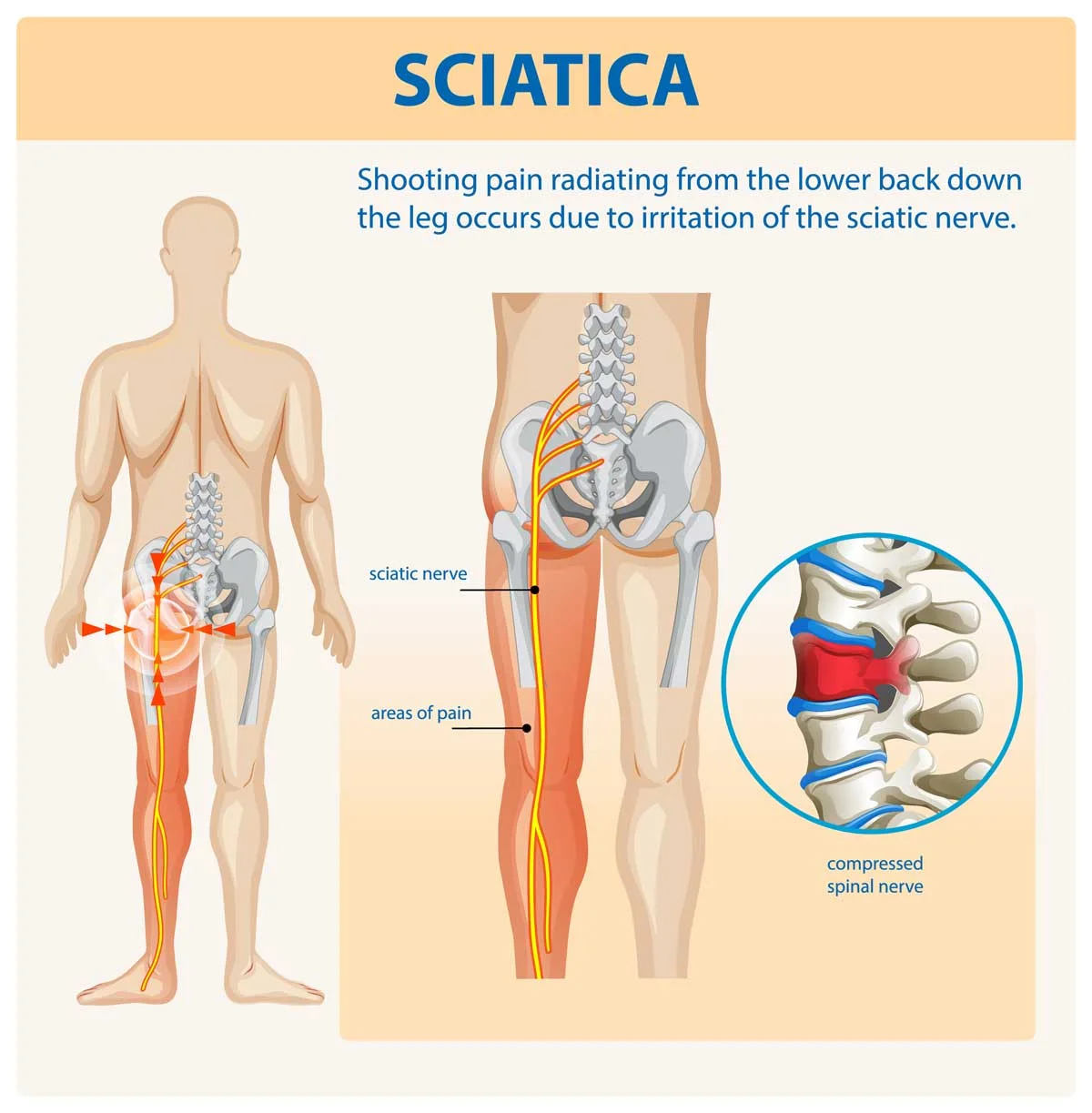
Sciatica is not a diagnosis on its own. Rather, it describes symptoms caused by irritation or compression of the sciatic nerve, the largest nerve in the body. This nerve originates in the lower spine and travels through the buttock, down the back of the thigh, and into the lower leg and foot.
Therefore, when the nerve becomes inflamed or compressed, pain can radiate along this pathway. Unlike general lower back pain, sciatica typically affects only one side of the body.
Common Causes of Sciatica
Sciatica usually results from mechanical pressure or inflammation affecting the nerve roots in the lumbar spine. However, the underlying reason varies from person to person.
1. Herniated or Bulging Disc
A lumbar disc herniation can press on nearby nerve roots. Consequently, pain may radiate down the leg and worsen with sitting or bending forward.
2. Spinal Stenosis
Spinal stenosis involves narrowing of the spinal canal. As a result, nerve compression may occur, especially in older adults.
3. Piriformis Syndrome
In some cases, the piriformis muscle in the buttock irritates the sciatic nerve. This can mimic disc-related sciatica.
4. Degenerative Disc Disease
Age-related changes in the spine may contribute to chronic sciatic nerve irritation.
5. Pregnancy-Related Sciatica
Hormonal and postural changes during pregnancy may increase stress on the lower spine and pelvis.
Because the causes differ, a personalized assessment is essential. An osteopath evaluates posture, spinal mobility, muscle tension, and nerve involvement to determine the most appropriate care plan.
Signs and Symptoms of Sciatica
Sciatica symptoms can range from mild discomfort to severe nerve pain. Typically, symptoms include:
- Sharp or burning pain from the lower back into the leg
- Tingling or “pins and needles” sensation
- Numbness in the thigh, calf, or foot
- Weakness in the affected leg
- Pain that worsens when sitting for long periods
Additionally, coughing or sneezing may aggravate the pain due to increased spinal pressure.
If you experience loss of bladder or bowel control, progressive weakness, or severe neurological symptoms, seek immediate medical attention. These signs require urgent evaluation.
Why Early Treatment Matters
Many people search for “how long does sciatica last?” While mild cases may improve within weeks, untreated nerve irritation can become chronic. Moreover, persistent inflammation may lead to muscle guarding and compensatory movement patterns.
Early intervention helps:
- Reduce nerve irritation
- Improve spinal mobility
- Prevent chronic pain patterns
- Support faster recovery
- Decrease reliance on medication
Therefore, conservative treatment such as osteopathy is often recommended before considering injections or surgery.
How Osteopathy Helps Sciatica
Osteopathy focuses on restoring structural balance and improving the body’s natural healing capacity. At our Toronto osteopathic clinic, treatment is gentle, hands-on, and individualized.
Comprehensive Assessment
First, your osteopath performs a detailed evaluation. This includes spinal testing, neurological screening, and functional movement analysis. As a result, we determine whether the pain is disc-related, muscular, or joint-based.
Manual Therapy Techniques
Osteopathic treatment may include:
- Gentle joint mobilization
- Soft tissue release
- Myofascial Release therapy
- Pelvic alignment correction
- Nerve mobilization techniques
These methods aim to reduce pressure on the sciatic nerve while improving circulation and mobility.
Postural and Ergonomic Guidance
In addition, we provide guidance on sitting posture, workstation setup, and safe movement strategies. This step is critical for patients working long hours at desks in Toronto.
Exercise and Stretching Support
We often recommend specific mobility and strengthening exercises. For example, core stabilization and glute strengthening can reduce recurrent sciatic pain.
Sciatica vs. Lower Back Pain: What’s the Difference?
Although both conditions involve the lumbar spine, sciatica is characterized by nerve involvement. In contrast, mechanical lower back pain typically stays localized.
Sciatica:
- Radiates down the leg
- May include numbness or tingling
- Follows nerve distribution
Mechanical back pain:
- Localized in the lower back
- Muscle-based discomfort
- No neurological symptoms
Accurate diagnosis ensures the correct treatment approach.

Natural Sciatica Treatment in Toronto
Many patients prefer non-invasive options before considering injections or surgery. Fortunately, osteopathy offers a safe and conservative approach.
Benefits of osteopathic treatment for sciatica include:
- Drug-free pain relief
- Reduced inflammation
- Improved spinal alignment
- Enhanced mobility
- Personalized care plan
Furthermore, osteopathy addresses the whole body rather than focusing only on the painful area.
When Should You See an Osteopath for Sciatica?
You should consider booking an assessment if:
- Pain radiates below the knee
- Symptoms persist longer than two weeks
- Sitting worsens discomfort
- You experience recurrent episodes
- You want to avoid invasive procedures
Early evaluation allows for tailored treatment and better long-term results.
Preventing Sciatica Recurrence
Once symptoms improve, prevention becomes essential. Fortunately, small changes can make a big difference.
Maintain Core Strength
Strong abdominal and back muscles stabilize the spine.
Optimize Posture
Proper workstation setup reduces spinal stress.
Stay Physically Active
Regular movement improves circulation and joint health.
Lift Safely
Use proper lifting mechanics to protect the lower back.
At our Toronto osteopathy clinic, we educate patients on long-term spine health strategies.
Book a Sciatica Assessment in Toronto
If you are searching for “sciatica treatment Toronto” or “osteopath for sciatic nerve pain near me,” we are here to help.
Sciatica can significantly affect daily life. However, with the right support, recovery is possible. Early, targeted care often leads to better outcomes and reduced chronic pain risk.
Contact Body & Mind Osteopathic Clinic today to schedule a comprehensive assessment and begin your personalized recovery plan.

Written By: Vadzim Siniauski
Vadzim Siniauski is Certified Osteopathic manual practitioner DOMP, MCIO, and Registered Massage Therapist (RMT), MD (Belarus). Vadzim has an extensive experience in musculoskeletal health, pain management, and manual therapy techniques.
Our Editorial Process
At Body & Mind Osteopathic Clinic, we publish practical, experience-based content to help educate readers on osteopathy, rehabilitation, and wellness.
Writing: All our content is developed by experienced osteopathic practitioners and RMTs. It draws on reputable scientific literature, clinical research, and our real-world experience working with conditions such as back pain, joint stiffness, postural imbalances, and injury recovery.
Editing: Each article is reviewed internally by a senior practitioner to ensure accuracy, clarity, and alignment with our treatment protocols and patient education standards.
Verified by Practitioners: Before publication, content is verified by a licensed member of our clinical team to confirm that the medical information provided aligns with current best practices in manual therapy and osteopathic care.
Frequently Asked Questions
What is osteopathic treatment for sciatica?
Osteopathic treatment for sciatica is a hands-on therapy that reduces nerve irritation, improves spinal alignment, and restores mobility. Specifically, an osteopathic practitioner uses manual techniques to treat muscles, joints, and connective tissue that compress or inflame the sciatic nerve. As a result, patients often experience reduced pain and improved movement.
How does osteopathic treatment relieve sciatic nerve pain?
Osteopathic treatment relieves sciatic nerve pain by reducing muscle tension, improving joint motion, and decreasing pressure on lumbar nerve roots. In addition, techniques such as soft tissue manipulation and spinal mobilization improve blood flow and reduce inflammation. Therefore, nerve compression decreases and mobility improves.
How many osteopathic sessions are needed for sciatica?
Most patients require 4 to 8 sessions over 4 to 6 weeks to reduce sciatica symptoms. However, treatment frequency depends on pain severity, symptom duration, disc involvement, and activity level. In general, acute cases improve faster than chronic cases lasting longer than 12 weeks.
Can osteopathic treatment fix a herniated disc causing sciatica?
Osteopathic treatment does not reverse a herniated disc; however, it reduces pain and improves function. For example, manual therapy decreases muscle spasm and improves spinal mechanics. As a result, nerve irritation declines while the body heals naturally over 6 to 12 weeks.
Does osteopathic treatment replace surgery for sciatica?
Osteopathic treatment does not replace surgery in severe cases with progressive weakness or bowel and bladder dysfunction. Instead, it serves as first-line conservative care. Importantly, 80–90% of sciatica cases improve without surgery within 6 to 12 weeks.
Who should avoid osteopathic treatment for sciatica?
Patients with spinal fractures, severe osteoporosis, spinal infections, or cauda equina syndrome should avoid manual spinal manipulation.