Elbow pain can significantly interfere with daily life. Whether you are lifting, typing, exercising, or even shaking hands, discomfort in the elbow can limit your movement and reduce your quality of life. Fortunately, osteopathy for elbow pain in Toronto offers a natural, hands-on approach that focuses on both pain relief and long-term recovery.
What Causes Elbow Pain?
Elbow pain is commonly associated with conditions such as tennis elbow (lateral epicondylitis) and golfer’s elbow (medial epicondylitis). These conditions develop due to repetitive strain on the forearm muscles and tendons.
However, elbow pain is not limited to athletes. It often affects:
- Office workers (repetitive typing or mouse use)
- Tradespeople (manual labour and tool use)
- Fitness enthusiasts
- Individuals with poor posture or shoulder dysfunction
Over time, repetitive stress causes microtears in the tendons, leading to inflammation, pain, and reduced grip strength.
Why Choose Osteopathy for Elbow Pain?
Unlike treatments that focus only on the painful area, osteopathy takes a whole-body approach. This is especially important because elbow pain is rarely isolated.
In many cases, dysfunction in the:
- Shoulder
- Neck
- Upper back
- Wrist
can contribute to increased stress on the elbow.
Osteopathic care aims to restore balance across the entire musculoskeletal system. As a result, treatment targets both the source of pain and contributing factors.
How Osteopathy Treats Elbow Pain
Osteopathic treatment uses a variety of manual therapy techniques designed to improve movement, circulation, and tissue healing.
1. Joint Mobilization
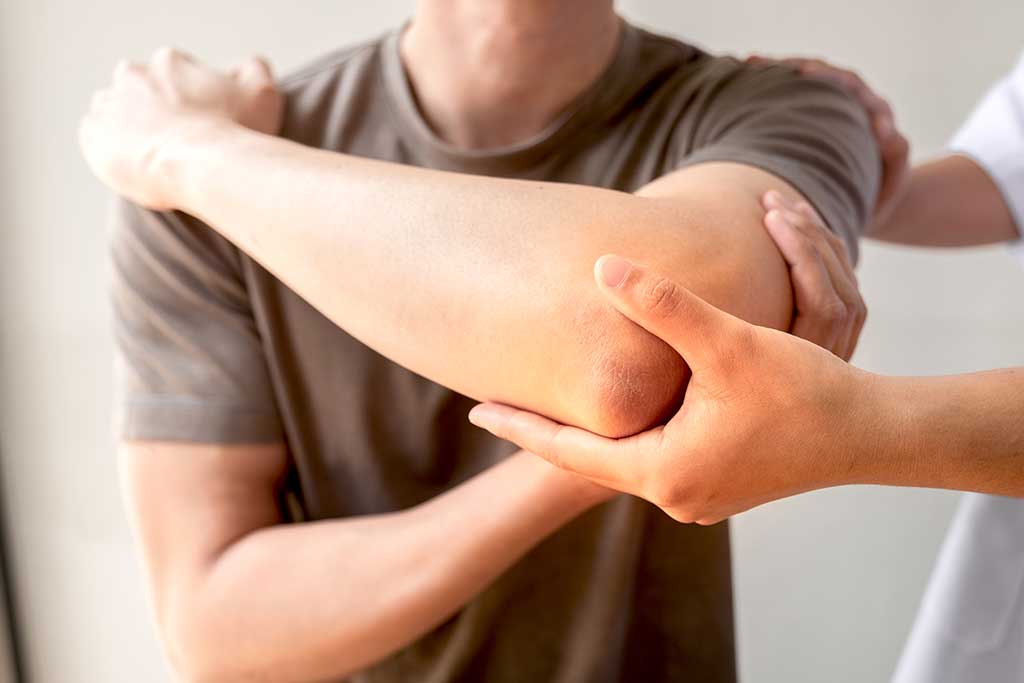
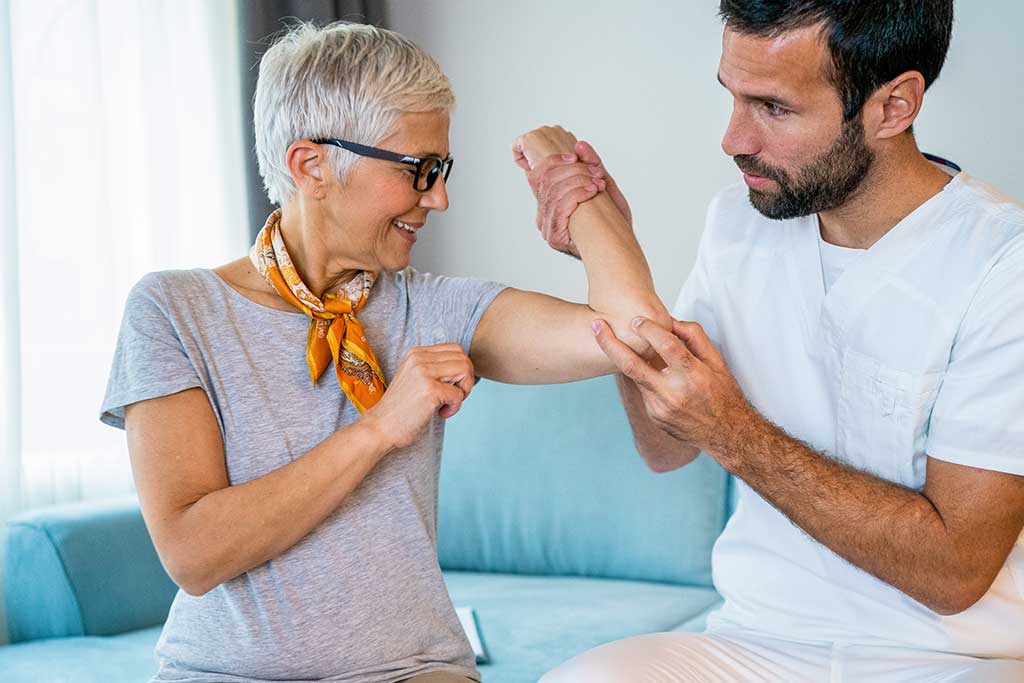
Gentle movements are applied to the elbow, wrist, and shoulder joints to restore normal motion and reduce stiffness.
2. Soft Tissue Therapy
Muscles and fascia around the forearm and upper limb are treated to release tension and improve blood flow.
3. Muscle Energy Techniques
Muscle Energy Techniques (METs) involve controlled muscle contractions to improve flexibility and joint function.
4. Myofascial Release
Age-related changes in the spine may contribute to chronic sciatic nerve irritation.
5. Postural Correction
Since posture plays a key role, osteopaths assess and correct alignment issues that contribute to strain.
Scientific Perspective: Does Osteopathy Work?
Research on osteopathic manipulative treatment (OMT) shows that it may help reduce joint pain and improve function, although results vary depending on the condition and study design.
Additionally, studies comparing OMT with physiotherapy found that both approaches can lead to significant improvement in pain and functional outcomes for elbow conditions such as tennis elbow.
Moreover, manual therapy combined with exercise has been shown to improve symptoms and function in musculoskeletal conditions.
Therefore, osteopathy is best viewed as part of a comprehensive rehabilitation strategy, rather than a standalone solution.
Benefits of Osteopathic Treatment for Elbow Pain
Osteopathy offers several advantages, especially for patients looking for non-invasive care.
✔ Drug-Free Pain Relief
Treatment focuses on natural healing without reliance on medication.
✔ Improved Mobility
Restoring joint function allows you to move freely again.
✔ Whole-Body Approach
By addressing contributing factors, recurrence risk is reduced.
✔ Personalized Care
Each treatment plan is tailored to your specific condition and lifestyle.
✔ Prevention of Chronic Pain
Early intervention helps prevent long-term degeneration.
What to Expect During Your Appointment?
If you visit an osteopath in Toronto for elbow pain, your session will typically include:
Initial Assessment
Your osteopath will evaluate:
- Range of motion
- Muscle strength
- Posture
- Movement patterns
Diagnosis
They will determine whether your pain is due to tendon strain, joint restriction, or referred pain from another area.
Treatment Plan
A personalized plan may include:
- Manual therapy
- Stretching exercises
- Strengthening protocols
- Ergonomic advice
Follow-Up Care
Progress is monitored, and treatment is adjusted as needed.
Osteopathy vs Other Treatments
Many patients compare osteopathy with physiotherapy or chiropractic care.
Osteopathy vs Physiotherapy
Physiotherapy often emphasizes exercise and rehabilitation. Osteopathy combines manual therapy with functional assessment for a broader approach.
Osteopathy vs Injections
While corticosteroid injections may provide short-term relief, they may not address underlying causes and can have recurrence risks.
Osteopathy vs Surgery
Surgery is typically a last resort. Osteopathy aims to avoid invasive procedures whenever possible.
How Long Does Recovery Take?
Recovery time depends on:
- Severity of the condition
- Duration of symptoms
- Activity level
- Treatment consistency
In many cases, elbow conditions improve within 6 to 12 months with proper conservative care.
However, patients often experience early symptom relief within a few sessions when treatment is combined with lifestyle changes.
Exercises and Lifestyle Tips
In addition to treatment, your osteopath may recommend:
- Forearm strengthening exercises
- Stretching routines
- Ergonomic adjustments
- Activity modification
For example, eccentric strengthening exercises are commonly used to improve tendon resilience and reduce pain.
Consistency is key. Therefore, following your home care plan significantly improves outcomes.
When Should You Seek Treatment?
You should consider osteopathy if you experience:
- Persistent elbow pain
- Weak grip strength
- Pain during daily activities
- Symptoms lasting more than a few weeks
Early treatment is important. The longer the condition persists, the harder it becomes to treat.
Why Choose Osteopathy at Body & Mind Osteopathic Clinic in Toronto?
At Body & Mind Osteopathic Clinic, we understand that Toronto’s fast-paced lifestyle often leads to repetitive strain, postural stress, and persistent elbow pain. Whether your symptoms come from desk work, physical labour, or sports, our approach is designed to address both the cause and the symptoms.
Choosing our clinic for osteopathy for elbow pain in Toronto means you receive:
- Advanced hands-on osteopathic techniques
- Evidence-informed, results-focused care
- Personalized treatment plans tailored to your body and lifestyle
- A non-invasive approach that supports natural healing
In addition, our practitioners take the time to assess your full body mechanics—not just the elbow—so we can identify underlying imbalances and help prevent recurrence. We combine clinical expertise with a practical understanding of modern work environments and daily stress patterns common in Toronto.
As a result, you get care that is not only effective—but also realistic, targeted, and sustainable.

Written By: Vadzim Siniauski
Vadzim Siniauski is Certified Osteopathic manual practitioner DOMP, MCIO, and Registered Massage Therapist (RMT), MD (Belarus). Vadzim has an extensive experience in musculoskeletal health, pain management, and manual therapy techniques.
Our Editorial Process
At Body & Mind Osteopathic Clinic, we publish practical, experience-based content to help educate readers on osteopathy, rehabilitation, and wellness.
Writing: All our content is developed by experienced osteopathic practitioners and RMTs. It draws on reputable scientific literature, clinical research, and our real-world experience working with conditions such as back pain, joint stiffness, postural imbalances, and injury recovery.
Editing: Each article is reviewed internally by a senior practitioner to ensure accuracy, clarity, and alignment with our treatment protocols and patient education standards.
Verified by Practitioners: Before publication, content is verified by a licensed member of our clinical team to confirm that the medical information provided aligns with current best practices in manual therapy and osteopathic care.
Frequently Asked Questions
Can an osteopath help with elbow pain?
Osteopaths treat elbow pain by improving joint movement, reducing muscle tension, and restoring function. Treatment includes manual therapy, soft tissue work, and exercise guidance. Osteopathy targets causes such as tendon overload or poor biomechanics, and most patients see measurable improvement within 2–6 weeks depending on severity.
What is the best treatment for elbow pain?
The best treatment for elbow pain combines load management, targeted exercises, and manual therapy. Strengthening forearm muscles 3–4 times per week improves tendon resilience, while activity modification reduces strain. Severe cases may require physiotherapy, osteopathy, or medical review within 4–8 weeks.
What is better, osteo or physio?
The main difference between osteo and physio is treatment focus. Osteopathy treats the whole body using hands-on techniques, while physiotherapy focuses on rehabilitation exercises and injury-specific recovery. Choose osteopathy for mobility issues and physio for structured rehab programs; both deliver results within 4–8 weeks.
How do I get instant relief from elbow pain?
Get instant relief from elbow pain by resting the joint, applying ice for 10–15 minutes, and reducing aggravating activity. Use a compression band or brace to support the tendon and improve load distribution. Anti-inflammatory medication may reduce pain within hours if medically appropriate.
How do I know if I need a physio or osteopath?
Choose a physio if you need structured rehabilitation after injury or surgery. Choose an osteopath if you have joint stiffness, postural issues, or recurring pain linked to movement. Both assess pain sources, but selection depends on whether exercise rehab or hands-on treatment is the priority.
What does bursitis in the elbow feel like?
Elbow bursitis feels like swelling, warmth, and localized pain at the tip of the elbow. The area may appear visibly enlarged and feel tender when touched or leaned on. Movement can remain normal, but pressure increases discomfort, and symptoms often develop over 24–72 hours.