
Manual Lymphatic Drainage (MLD) is a specialized massage technique that uses gentle, rhythmic movements to stimulate the natural flow of lymphatic fluid, helping to eliminate waste products and reduce swelling. Performed by our expert Registered Massage Therapist (RMT), Vadzim Siniauski, this therapeutic treatment supports the body’s detoxification process, promotes healthy circulation, and enhances overall wellness.
What is Manual Lymphatic Drainage?
Manual lymphatic drainage is an advanced treatment where the massage therapist uses specialized and light pumping massage techniques to move the skin in the direction of flow of lymph fluid.
The gentle pressure stimulates the flow of lymph which is essential to the immune system, removal of waste products and defence of the body. Manual lymphatic drainage massage is both remedial and preventative and can improve general well-being. A well-functioning lymphatic system contributes to healthy body tissue and plays an important part in the body’s immune system.
Lymphatic drainage massage has become a main component in the management, control and maintenance of lymphoedema from primary or secondary causes.
What Conditions Are Treated With Lymphatic Drainage Massage?
Healthcare providers primarily recommend manual lymphatic drainage after breast-cancer surgery to relieve lymphedema. This gentle lymphatic system drainage massage can also support treatment plans for:
- Chronic venous insufficiency (CVI)
- Fibromyalgia
- Soft-tissue injury/swelling
- Lipedema
- Rheumatoid arthritis
Beyond medical indications, lymph massage is a popular aesthetic option. Targeted facial techniques that help lymph drain from the face may improve circulation, reduce puffiness, and promote a brighter, more refreshed complexion.
How do I know if I need lymphatic drainage?
You may benefit from lymphatic drainage massage—also called manual lymphatic drainage (MLD), lymphatic drainage therapy, or lymph massage—when the lymphatic system is sluggish or congested. Signs you could need help to support lymph drain include:
- Bloating or a heavy, water-retentive feeling
- Brain fog and low concentration
- Chronic sinus infections or frequent colds
- Persistent fatigue and low energy
- Headaches or facial pressure
- Puffy, swollen ankles or hands (edema)
- Skin issues such as acne, dryness, or rashes
- Swollen lymph nodes in the neck or under the jaw
If these symptoms persist—or swelling is sudden, painful, or only on one side—speak with a healthcare professional before starting lymphatic drainage treatment.
What are Benefits of Manual Lymphatic Drainage Therapy?
1. Reduces Swelling and Lymphedema Relief
- Helps patients with Lymphedema, where lymph fluid builds up in the body, causing swelling.
- Alleviates thick, heavy, and fatigued legs, often associated with fluid retention.
- Effective in managing venous insufficiency and fluid congestion, including swollen ankles, puffy eyes, and pregnancy-related edema.
2. Supports Healing from Injuries and Surgeries
- Assists in the recovery process for sports injuries, such as sprains, strains, sciatica, and chronic low back pain.
- Beneficial for post-operative care, including hip/knee replacement, plastic surgery, and elective surgeries.
- Enhances healing of bone fractures, surgical scars, and burns, making scars smaller, softer, and less visible.
3. Eases Inflammatory and Chronic Conditions
- Provides relief from non-infected inflammatory conditions like tendinitis, whiplash injury, and shoulder/neck trauma.
- Helps manage chronic conditions such as rheumatoid arthritis, scleroderma, sinusitis, and chronic skin conditions like acne and eczema.
- Reduces fluid congestion in conditions such as pre and post-menstrual syndrome and pregnancy-related swelling.
4. Promotes Circulatory Health and Detoxification
- Improves blood flow and circulatory disturbances, aiding with constipation and digestive congestion.
- Plays a role in detox treatments by stimulating the immune system.
- Assists in reducing cellulite, improving waterlogged tissues, and supporting skin health after cosmetic surgery.
5. Enhances Maternal Care and Skin Health
- Prevents leg edema and reduces stretch marks during pregnancy.
- Minimizes existing stretch marks and enhances the healing of skin after surgery or injury.
- Treats chronic inflammation, allergies, and skin conditions associated with excess protein in connective tissue.
Why Lymphoedema Occurs?
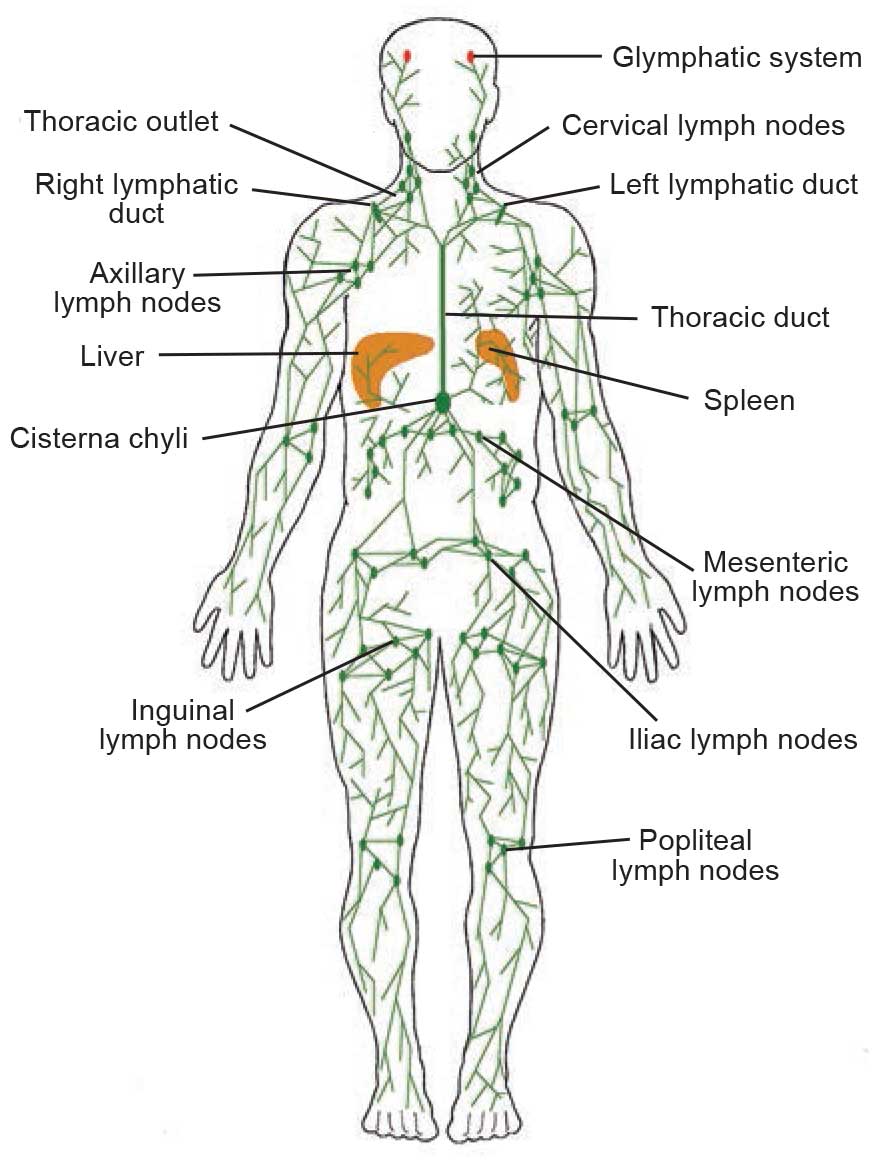
Lymphedema happens when lymph vessels are blocked, damaged, or underdeveloped, so fluid can’t move efficiently through the lymph nodes and tissues. The result is swelling (edema) in an arm or leg; in some cases it can affect both legs or one arm and one leg. Unlike other types of swelling, lymphedema can cause tissue changes (fibrosis) and raise the risk of skin infection, making long-term control more challenging.
Types of lymphedema (type of massage considerations):
- Primary lymphedema: Usually present from birth due to an underdeveloped lymphatic system (malformed or missing lymph vessels/lymph nodes).
- Secondary lymphedema (post surgical or post-treatment): Develops after surgery, cancer treatments (e.g., lymph node removal or radiation), infection, or trauma that injures lymph vessels.
How it’s managed:
This condition is typically treated with manual lymph drainage (a gentle type of massage that supports lymph flow), compression therapy, remedial exercises, and meticulous skin care. For post-surgical cases, a tailored plan often combines manual lymphatic drainage, compression garments, and progressive activity to restore function and reduce swelling.
Risks & Contraindications of Lymphatic Drainage Massage
Potential benefits
A properly delivered lymphatic drainage massage (MLD) may help:
- Reduce swelling/edema and feelings of heaviness
- Support comfortable fluid movement through lymph pathways
- Ease stress and promote relaxation
- Improve skin appearance (when used cosmetically)
- Provide adjunct relief for select nerve-related discomforts (as advised by your clinician)
Note: Benefits vary by condition and individual. MLD should complement—not replace—your clinician’s treatment plan.
Common, short-lived responses
Some people experience fatigue, mild headache, thirst, or nausea after a session. These usually pass within 24 hours. Hydration and gentle activity can help. If symptoms persist or are severe, contact your provider.
Do not receive MLD if you currently have
- Acute infection (including cellulitis) or fever
- Blood clots or deep-vein thrombosis (DVT)
- Unstable/acute heart disease or decompensated heart failure
- Advanced kidney failure (renal insufficiency)
- Recent stroke or other acute neurologic event
Use caution / seek medical help if you have
- Active cancer under treatment (see next section for area restrictions)
- Significant vascular disease or uncontrolled hypertension
- Recent major surgery or trauma (follow your surgeon’s protocol)
Treatment-area restrictions
Clinicians avoid performing MLD directly over:
- Cancerous tissue
- Irradiated or non-healed skin, open wounds, or areas with active inflammation/infection
When to stop and call your provider
Stop the session and seek medical advice if you develop new or worsening pain, redness/heat, sudden swelling on one side, shortness of breath, or chest pain.
*This information is educational and not a medical diagnosis. Always consult your healthcare provider—especially for post-surgical care or if you have complex medical conditions—to confirm that manual lymphatic drainage is appropriate for you and to determine the safest treatment plan.
Recovery & Aftercare
1. Right after MLD (manual lymphatic drainage)
It’s common to feel lighter, relaxed, and sometimes a bit sleepy. You may notice:
- Mild fatigue, increased urination/thirst, or a light headache—usually resolves within 12–24 hours.
- Temporary softening of swollen areas and easier joint movement.
2. Hydration & gentle movement
- Drink 2–3 extra glasses of water over the next 24 hours to support fluid clearance.
- Take easy walks or do diaphragmatic breathing to keep lymph moving.
- Avoid heavy workouts, alcohol, hot tubs/saunas, or deep tissue work the same day.
3. Compression guidance
If you wear compression (for lymphedema or post-surgical care), follow your clinician’s plan.
- Before a session: you may remove garments/bandaging as directed.
- After a session: re-apply correctly fitted sleeves/stockings/garments to maintain reductions.
- For post-op patients: only use compression approved by your surgeon, especially around drains, sutures, or recent incisions.
4. Skin & positioning
- Keep skin clean, moisturized, and intact; report any redness, heat, or weeping.
- When resting, elevate the affected limb above heart level if advised.
Toronto RMT Pre-Op Consult for Post-Surgery MLD (Tummy Tuck, Lipo, BBL)
Planning cosmetic surgery in Toronto? Book a brief RMT pre-op consult to learn how manual lymphatic drainage (MLD) may fit after your procedure as directed by your surgeon.
What we cover (15–25 min):
- Education & timing: Typical timelines many surgeons use for introducing MLD after tummy tuck, liposuction, or BBL. We always follow your surgeon’s written instructions.
- Safety (RMT scope): Treatment is provided only on intact skin. We do not treat over drains, sutures, open wounds, irradiated areas, or signs of infection. If anything requires medical attention, we refer you back to your surgical team.
- Compression & comfort basics: How to use your surgeon-approved garments, gentle positioning, and breathing to support comfort between sessions.
- Visit planning: Session length and frequency once your surgeon indicates MLD is appropriate.
Note: RMTs provide non-invasive massage therapy within CMTO scope. We don’t diagnose, manage wounds/drains, or replace medical advice. Receipts are issued for RMT massage therapy; coverage depends on your plan.

Looking for Manual Lymphatic Drainage Near Me?
At Body & Mind Osteopathic Clinic, we offer specialized lymphatic drainage therapy led by Registered Massage Therapist (RMT). Our services include lymphatic fluid treatment near you, with a focus on improving blood flow through osteopathy. Whether you are looking for lymphatic drainage therapy in Toronto or need an RMT specializing in lymphatic massage in North York, our structured treatment plan provides personalized care to help reduce swelling, improve lymphatic flow, and promote overall healing.
Please see Vadzim Siniauski – Osteopathic Manual Practitioner DOMP, MCIO, RMT, MD (Belarus) – for an assessment or to answer questions about lymphatic drainage treatment for you.
The Revolutionary Science of Manual Lymphatic Drainage: Dr. Vodder’s Legacy
The Origins of Manual Lymphatic Drainage (MLD) Therapy
Manual Lymphatic Drainage (MLD) was pioneered in the early 1930s by Dr. Emil Vodder, a Danish physiotherapist, who developed a precise sequence of rhythmic, gentle pumping techniques to stimulate lymph flow. Working alongside his wife Estrid, Vodder discovered these methods could effectively relieve chronic conditions and manage lymphedema in patients recovering from cancer surgery and treatments.
How the Lymphatic System Works
The lymphatic system, a critical component of the immune system, consists of a network of vessels that transport lymph fluid containing white blood cells throughout the body. Unlike the circulatory system, the lymphatic system lacks a central pump like the heart and instead relies on muscular contractions and specific movements to facilitate flow.
Scientific Impact and Global Acceptance of MLD
Vodder’s techniques scientifically target the lymphatic system by applying specific pressure gradients (typically 30-40 mmHg) that enhance lymphatic transport capacity by up to 20%. Research has demonstrated that MLD increases lymph flow rates from the baseline of approximately 125 ml/hour to over 300 ml/hour in treated areas. Since Vodder’s groundbreaking work, MLD has gained widespread recognition, becoming a standard treatment in European healthcare facilities and gradually achieving global acceptance. The effectiveness of MLD has been validated through randomized controlled trials showing a 26-38% reduction in limb volume for lymphedema patients when combined with compression therapy.
Scientific Evidence Supporting Registered Massage Therapists (RMTs) in Manual Lymphatic Drainage
Studies from the College of Massage Therapists of Ontario have demonstrated that RMTs with specialized MLD training achieve comparable clinical outcomes to physiotherapists in lymphedema reduction, with measurements showing volume reductions of 28-34% when following standardized protocols.
Advanced Palpation Skills of RMTs in Manual Lymphatic Drainage
Research published in the Journal of Bodywork and Movement Therapies found that RMTs’ manual skills are particularly well-suited for MLD techniques, as their advanced palpation abilities allow them to detect subtle tissue changes and fluid accumulation with 22% greater accuracy than practitioners without massage therapy backgrounds.
Canadian Innovations in Manual Lymphatic Drainage (MLD) Research
1. Groundbreaking Research at McGill University Health Centre
Canadian researchers have, indeed, made significant contributions to our understanding of Manual Lymphatic Drainage (MLD) and lymphedema management. Specifically, the McGill University Health Centre in Montreal has been at the forefront of lymphatic research, consequently demonstrating that MLD combined with compression therapy can reduce limb volume by up to 40% in breast cancer-related lymphedema cases.
2. Advancements at Sunnybrook Research Institute and Indigenous Health Initiatives
Additionally, at Toronto’s Sunnybrook Research Institute, innovative imaging techniques have visualized the real-time effects of MLD on lymphatic vessels, thus showing a 28% increase in lymphatic contractility during and immediately after treatment sessions.
Moreover, Canadian physiotherapists have also pioneered specialized MLD adaptations for Canada’s Indigenous populations, subsequently incorporating traditional healing practices that have shown promising results in community health centers across northern territories.

Written By: Vadzim Siniauski
Vadzim Siniauski is Certified Osteopathic manual practitioner DOMP, MCIO, and Registered Massage Therapist (RMT), MD (Belarus). Vadzim has an extensive experience in musculoskeletal health, pain management, and manual therapy techniques.
Our Editorial Process
At Body & Mind Osteopathic Clinic, we publish practical, experience-based content to help educate readers on osteopathy, rehabilitation, and wellness.
Writing: All our content is developed by experienced osteopathic practitioners and RMTs. It draws on reputable scientific literature, clinical research, and our real-world experience working with conditions such as back pain, joint stiffness, postural imbalances, and injury recovery.
Editing: Each article is reviewed internally by a senior practitioner to ensure accuracy, clarity, and alignment with our treatment protocols and patient education standards.
Verified by Practitioners: Before publication, content is verified by a licensed member of our clinical team to confirm that the medical information provided aligns with current best practices in manual therapy and osteopathic care.
Frequently Asked Questions
How does lymph nodes drainage massage help with detoxification?
Lymph nodes drainage massage removes excess fluids and waste from the body by improving lymph circulation. This detoxifies tissues, boosts immune response, and reduces inflammation.
Who can benefit from a full body lymphatic drainage massage?
People recovering from surgery, managing lymphedema, or seeking detoxification can benefit from a full body lymphatic drainage massage. It supports healing, reduces swelling, and improves overall circulation.
What does a lymph drainage face massage do?
A lymph drainage face massage reduces puffiness, clears skin, and improves tone by stimulating lymph flow. Gentle facial strokes direct fluid toward lymph nodes, promoting detoxification and relaxation.
How do I find lymphatic massage near me?
Find lymphatic massage near you by searching for certified therapists who offer manual lymphatic drainage or full body lymphatic drainage massage. Look for clinics specializing in post-surgical recovery or lymphatic therapy.
How often should I get a lymphatic massage?
For general wellness, get a lymphatic massage once every 4–6 weeks. For recovery or chronic conditions, weekly sessions may be recommended by a healthcare provider. Regular manual lymphatic drainage maintains healthy circulation and reduces fluid retention.
What should I expect after a manual lymphatic drainage session?
After a manual lymphatic drainage session, expect increased urination, reduced swelling, and a sense of relaxation. These effects result from improved lymphatic flow and toxin elimination through the lymphatic system.